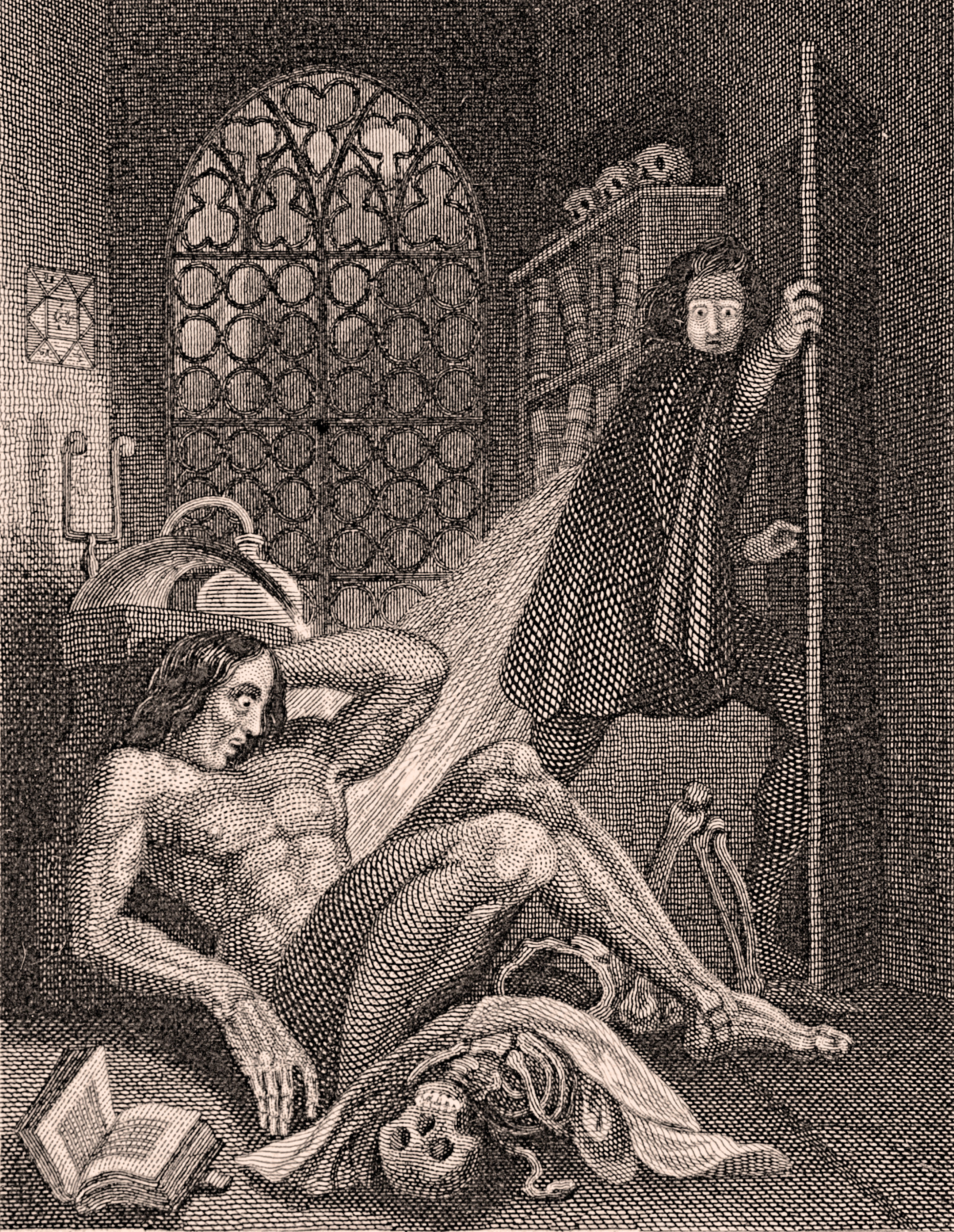
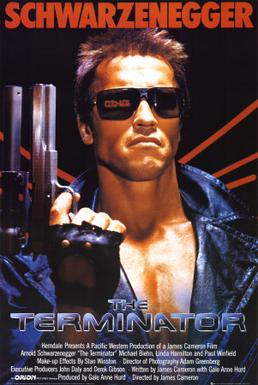
_Irish_Frankenstein.jpg)
On the surface, these two novels have a number of similarities, but once you get farther into the novel, these likenesses run even deeper.
From the time I started reading Frankenstein, I saw parallels between the monster and Of Mice and Men's Lennie Small. But as the story shifts to the perspective of Frankenstein's creature, I realized just how tragically alike they actually were. George is the only difference.
Victor Frankenstein and George Milton are polar opposites in many ways. While Frankenstein is melancholy and reserved, George is outgoing and cynical. Both are greedy, but in different ways. Frankenstein creates his monster for selfish reasons, to fulfill an inner curiosity and play god. George, on the other hand, is a schemer; he wants to work his way up the social ladder and own his own land. George is in and out of work, and doesn't really have any larger dreams other than to make more money.
Ironically, George is much more personable than Frankenstein. The former adopts Lennie and acts as his protector, while Victor is distant towards his friends and family (even his "lover" Elizabeth), and immediately disowns his creation.
 Frankenstein's creature uses violence in an unwitting, childlike way. Lennie is the same way. While Lennie only wants to "stroke" things and ends up accidentally killing them, the monster's violence comes about slightly differently. The monster actually tries to assimilate to human culture, and his murderous tendencies come out because humans don't accept his hideous body, and he's filled with anger over this neglect.
But maybe the monster wouldn't have killed anyone if Frankenstein had been a bit more like George. Frankenstein cannot deal with his creation in any capacity, and virtually all the interactions between the two in the book are hostile. This is mainly Frankenstein's fault. The creature tries to reach out to him, and Frankenstein can't accept him. At one point, Frankenstein agrees to create a female companion for the monster, but that doesn't exactly go as planned.
George is a bit more complex. He stands by Lennie until the very end of the book, where he must "put down" his partner like a pet at the animal hospital. Here's another place where Frankenstein and Of Mice and Men coincide--both novels end with the death of the monsters. Lennie is unknowing and violent until the end; Frankenstein's monster commits (implied) suicide because of remorse over his murder of his creator.
This a strange role reversal. George kills Lennie at the end of his story, and deals with the guilt of this euthanasia but survives. Frankenstein's monster, on the other hand, kills Frankenstein, and then deals with the guilt through his own death. At the end of the day in both novels, everyone's bummed out. But through compassion, George survives his story. Frankenstein... does not.